
May 1, 2026
Gum health serves as the foundation for a functional smile, yet many individuals overlook the specialized care required to maintain it. While general practitioners handle routine cleanings, certain conditions demand the expertise of a periodontal dentist. Understanding these clinical focuses helps patients prioritize their long-term oral wellness effectively. Specialized diagnostics allow for a more nuanced understanding of how soft tissue affects every aspect of a person’s dental health.
Treating Advanced Gum Disease
Chronic inflammation of the gingival tissues represents the primary concern for specialists in this field. This condition often begins as simple redness but can quickly escalate into a destructive process that compromises the ligaments supporting the teeth. Clinical intervention focuses on removing the bacterial biofilm that resides deep beneath the visible gum line, where standard brushing cannot reach. Effective treatment at this stage remains the most reliable way to stop the permanent destruction of the supporting oral structures.
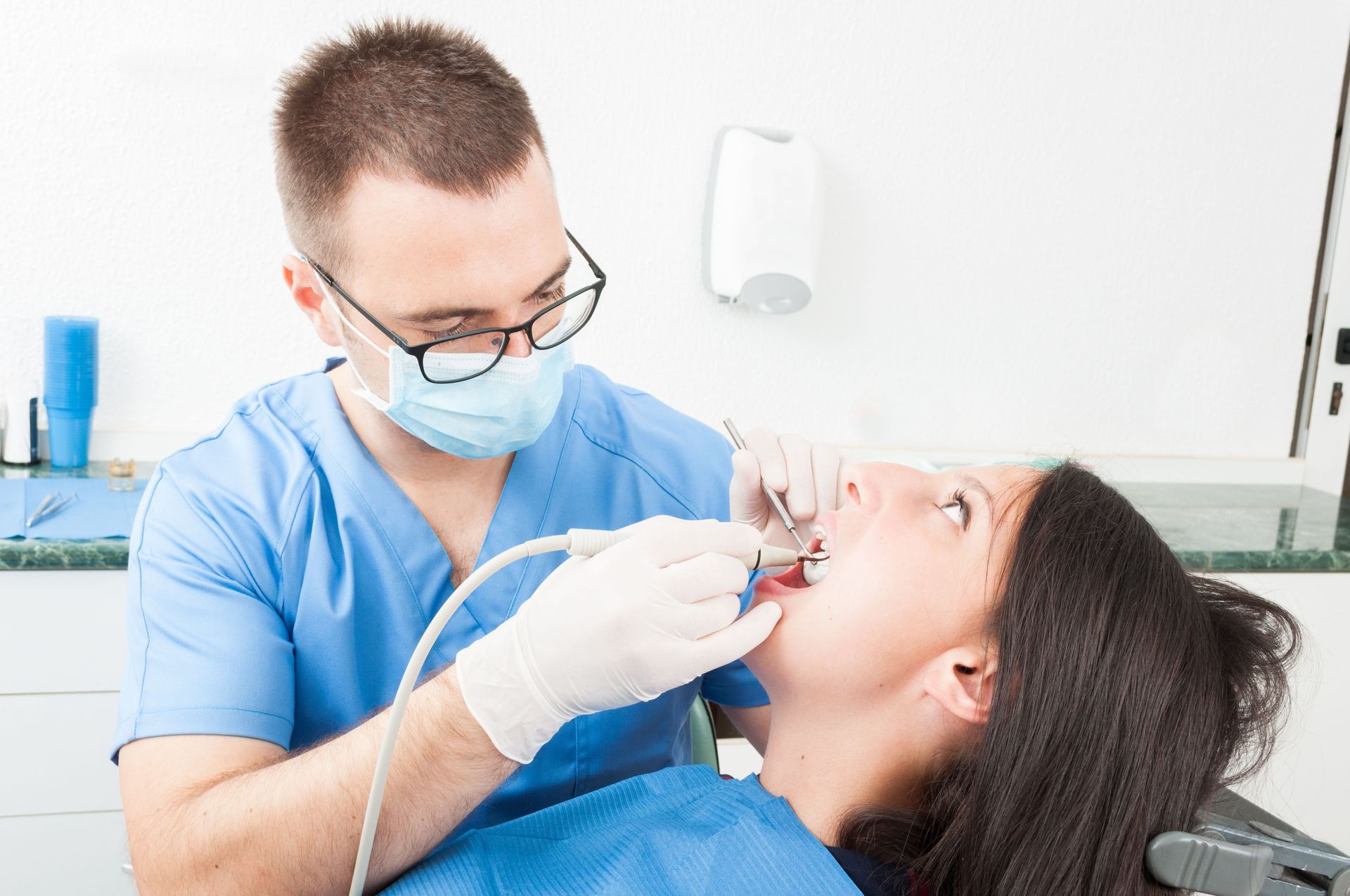
Professional deep cleaning procedures, such as scaling and root planing, allow a periodontal dentist to smooth the root surfaces. This process discourages further plaque accumulation and promotes the reattachment of healthy tissue to the tooth. By addressing the infection at its source, the practitioner prevents the inflammatory response from spreading further into the jawbone and surrounding structures. Patients typically notice a significant reduction in bleeding and sensitivity once these root surfaces are properly cleaned.
Stabilizing the progression of periodontitis requires consistent monitoring and specialized tools. Patients receive tailored maintenance plans that involve frequent checkups to monitor pocket depths and tissue health. This proactive approach helps manage a condition that, if left unaddressed, could lead to permanent tooth loss and systemic health complications over several years. Consistent adherence to these professional visits creates a sustainable environment for long-term tooth retention.
Managing Bone Tissue Loss
When the infection penetrates deep into the oral architecture, the supporting bone begins to recede. A periodontal dentist evaluates the density and volume of the jawbone to determine the extent of the damage. Without sufficient bone structure, teeth become mobile and eventually fail, creating significant functional challenges for the patient during daily activities like eating or speaking. Modern imaging technology provides a detailed view of these subterranean changes to guide clinical decision-making.
Regenerative procedures allow for the restoration of lost bone through sophisticated grafting techniques. Specialized practitioners place biocompatible materials into areas of bone deficiency to stimulate the body’s natural healing processes. This intervention provides a stable environment for existing teeth and prepares the mouth for future restorative work if necessary. Reclaiming this lost ground is a vital step in reversing the physical impact of long-term neglect or aggressive disease.
According to the Centers for Disease Control and Prevention, close to 46% of adults over 30 show signs of gum disease. This statistic highlights the critical need for bone preservation strategies in the modern adult population. Maintaining the integrity of the alveolar bone is essential for facial symmetry and the overall longevity of a person's natural dental alignment. Professionals use this data to emphasize why early screening for bone loss remains a priority for every adult patient.
Placing Permanent Dental Implants
Restoring missing teeth often involves the surgical placement of titanium posts into the jawbone. A periodontal dentist possesses the surgical training required to perform these placements with high levels of precision. They carefully map the neural pathways and sinus cavities to create a safe and effective foundation for a prosthetic crown or bridge. This meticulous planning stage reduces the risk of complications during the actual integration of the implant.
The success of an implant depends heavily on the health of the surrounding soft tissue. Because these experts specialize in the relationship between the gums and the teeth, they can create an aesthetic and functional seal around the implant. This barrier protects the underlying bone from bacteria and mirrors the appearance of a natural tooth. A healthy gingival margin acts as a biological shield that keeps the internal components of the implant clean and secure.
Long-term success for implants involves a commitment to specialized hygiene protocols. Practitioners monitor these sites for signs of peri-implantitis, a condition similar to gum disease that affects artificial roots. Early detection and specialized cleaning techniques help keep the implant stable and functional for many decades after the initial surgical procedure. These routine evaluations serve as a necessary safeguard for the significant investment a patient makes in their restorative care.
Reshaping Uneven Gum Lines
Cosmetic concerns often stem from the way the soft tissue frames the teeth. A periodontal dentist performs gingival sculpting to address issues such as a gummy smile or an uneven gum line. By removing excess tissue or repositioning the gum margin, the practitioner creates a more balanced and harmonious appearance for the patient. Achieving a symmetrical frame for the teeth significantly improves the visual impact of a person’s natural smile.
Receding gums also require structural correction to protect exposed tooth roots. Surgical experts utilize grafting techniques to cover exposed areas, which reduces sensitivity and prevents root decay. This procedure uses tissue from other parts of the mouth or donor sources to thicken the protective layer around the base of the teeth. Restoring this lost tissue provides a robust defense against further mechanical wear from daily brushing.
Functional crown lengthening is another common procedure used to prepare a tooth for a restoration. If a tooth is broken or decayed below the gum line, the clinician adjusts the tissue and bone levels to expose more of the tooth structure. This allows a general practitioner to place a crown securely without irritating the surrounding soft tissues. Precise adjustments at this level help the final prosthetic fit comfortably and last much longer.
Screening Systemic Health Links
Oral health does not exist in a vacuum; it relates directly to the health of the entire body. A periodontal dentist remains vigilant about the connections between chronic oral inflammation and conditions such as heart disease or diabetes. They review medical histories to understand how systemic issues might be exacerbating a patient's gum health challenges. This comprehensive review helps identify potential risks that might otherwise go unnoticed during a standard exam.
Research indicates that the bacteria found in diseased gums can enter the bloodstream and travel to other organs. By reducing the bacterial load in the mouth, the practitioner helps lower the overall inflammatory burden on the body. This holistic view of patient care emphasizes the importance of a clean oral environment for general physical stability. Addressing chronic infections in the mouth can lead to measurable improvements in other areas of a patient's medical profile.
Collaboration with other medical professionals is a hallmark of specialized dental care. Practitioners often communicate with a patient's primary care physician to coordinate treatment plans for those with complex health profiles. This integrated strategy helps manage the intersection of oral infections and chronic systemic diseases through evidence-based clinical practices. A shared approach to wellness helps patients navigate the complexities of managing multiple health conditions simultaneously.
Taking care of your oral health provides a pathway toward lasting physical wellness. A periodontal dentist offers the necessary expertise to manage complex tissue infections and structural bone loss. By prioritizing these clinical interventions, patients can maintain their natural smiles and support their overall health for many years to come. Recognizing the value of specialized gum care is the first step toward a lifetime of dental stability. Contact the team at Mitchem Dental today to schedule an evaluation and take the next step toward achieving a healthier, more vibrant smile.