
May 5, 2026
Maintaining a vibrant smile and ensuring long-term health begins with a commitment to fundamental oral hygiene. Gum disease, or periodontal disease, is a pervasive yet largely avoidable condition that affects the foundation of your teeth. The prevention of this condition is inextricably linked to the daily rituals we perform at the sink. By adopting rigorous cleaning routines, individuals can significantly decrease the probability of infection. Understanding these practices in detail allows you to protect not only your mouth but your systemic health as well.
Understanding the Global Impact of Gum Disease
Gum disease refers to bacterial infections that attack the soft tissue and the bone structures supporting your teeth. This process is primarily fueled by plaque—a resilient, sticky film of bacteria that constantly forms on the tooth surface. Initial symptoms often present as bleeding during brushing, persistent bad breath, or swollen gingiva. If these signs are ignored, the infection can progress, compromising your ability to eat and eventually resulting in tooth loss. This is a massive public health challenge; according to the World Health Organization, it is estimated that oral diseases affect nearly 3.7 billion people.
Recognizing the Stages of Progression
The journey of gum disease begins with gingivitis, the only reversible stage. At this point, the gums are irritated and inflamed due to plaque buildup. If oral hygiene is not improved, it advances to periodontitis. Here, the inner layer of the gum pulls away from the tooth, creating infected pockets. In its advanced state, these pockets deepen, destroying the fibers and bone. Regular intervention by a family dentist is the most effective way to halt this progression before it reaches a point of no return.
Linking Oral Health to Systemic Wellness
The condition of your mouth serves as a window into your general health. Poor gum health is frequently linked to severe systemic conditions, such as diabetes and cardiovascular disease. Inflammation in the oral cavity can trigger inflammatory responses elsewhere in the body, as bacteria from infected gums can enter the bloodstream. Preserving your gums is a critical component of maintaining your entire body's functionality.
Practicing Fundamental Cleaning Techniques
Brushing twice every day is the absolute bedrock of oral care. This mechanical action disrupts the bacterial colonies that form plaque, preventing them from hardening into tartar—a substance that can only be removed by a professional family dentist. Consistency ensures that the tooth surfaces remain smooth and less hospitable to decay-causing organisms.
Choosing the Appropriate Tools
Effective cleaning requires the right instruments. A soft-bristled toothbrush is generally preferred to protect the delicate gum tissue and tooth enamel from abrasion. While manual brushes are effective, electric toothbrushes provide a superior plaque removal rate through high-speed vibrations or rotations. It is essential to replace your brush every three to four months to ensure the bristles remain effective and free of excessive bacterial accumulation.
Mastering Brushing Mechanics
Technique is just as important as frequency. To maximize results, hold the brush at a 45-degree angle toward the gums and use gentle, circular strokes. It is important to clean the outer, inner, and chewing surfaces of all teeth. A thorough session should last a minimum of two minutes. Cleaning the tongue is a vital step, as it removes the bacteria responsible for halitosis.
Utilizing Specialized Toothpastes
The role of toothpaste extends beyond freshening breath. Fluoride-enriched formulas are essential for remineralizing enamel and making teeth more resistant to acid. Some specialized pastes contain antimicrobial agents specifically formulated to reduce plaque and combat gum inflammation. Selecting a product that targets your specific needs—whether it be sensitivity or gum health—can elevate your entire home care routine.
Incorporating Interdental Cleaning
Brushing does not clean the entirety of your tooth surfaces. The remaining lies in between the teeth, where bristles cannot reach. Flossing targets these tight spaces, removing trapped food and plaque that would otherwise lead to cavities and gum infections. Making this a daily habit is one of the most impactful ways to lower your risk of periodontal disease.
Selecting Flossing Products
There are various tools designed for interdental cleaning. Traditional waxed floss is excellent for sliding between tight teeth, while dental tape offers a broader surface area for wider gaps. For those who find traditional string difficult to handle, floss picks or water flossers provide alternative ways to keep those hidden areas clean.
Implementing Correct Flossing Movements
To avoid injuring your gums, use a gentle "C" shape to wrap the floss around each tooth. Slide it carefully beneath the gum line to remove hidden debris. Avoid "snapping" the floss, as this can cut the soft tissue. By systematically cleaning each gap, you provide a comprehensive defense against the onset of infection.
Enhancing Care With Antimicrobial Rinses
Mouthwash serves as a powerful adjunct to mechanical cleaning. Therapeutic rinses often contain antiseptic ingredients like chlorhexidine or essential oils that kill bacteria on contact. Fluoride rinses provide an extra layer of defense against decay. Integrating a rinse into your routine ensures that even the most remote areas of the mouth receive antibacterial treatment.
Utilizing Mouthwash Correctly
Rinsing should follow brushing and flossing. Swishing the liquid for a long period of time allows the active ingredients to penetrate the plaque biofilm. Using mouthwash before bed is particularly beneficial, as it provides a protective barrier during the night when saliva flow—the mouth's natural cleanser—is significantly reduced.
Prioritizing Professional Dental Oversight
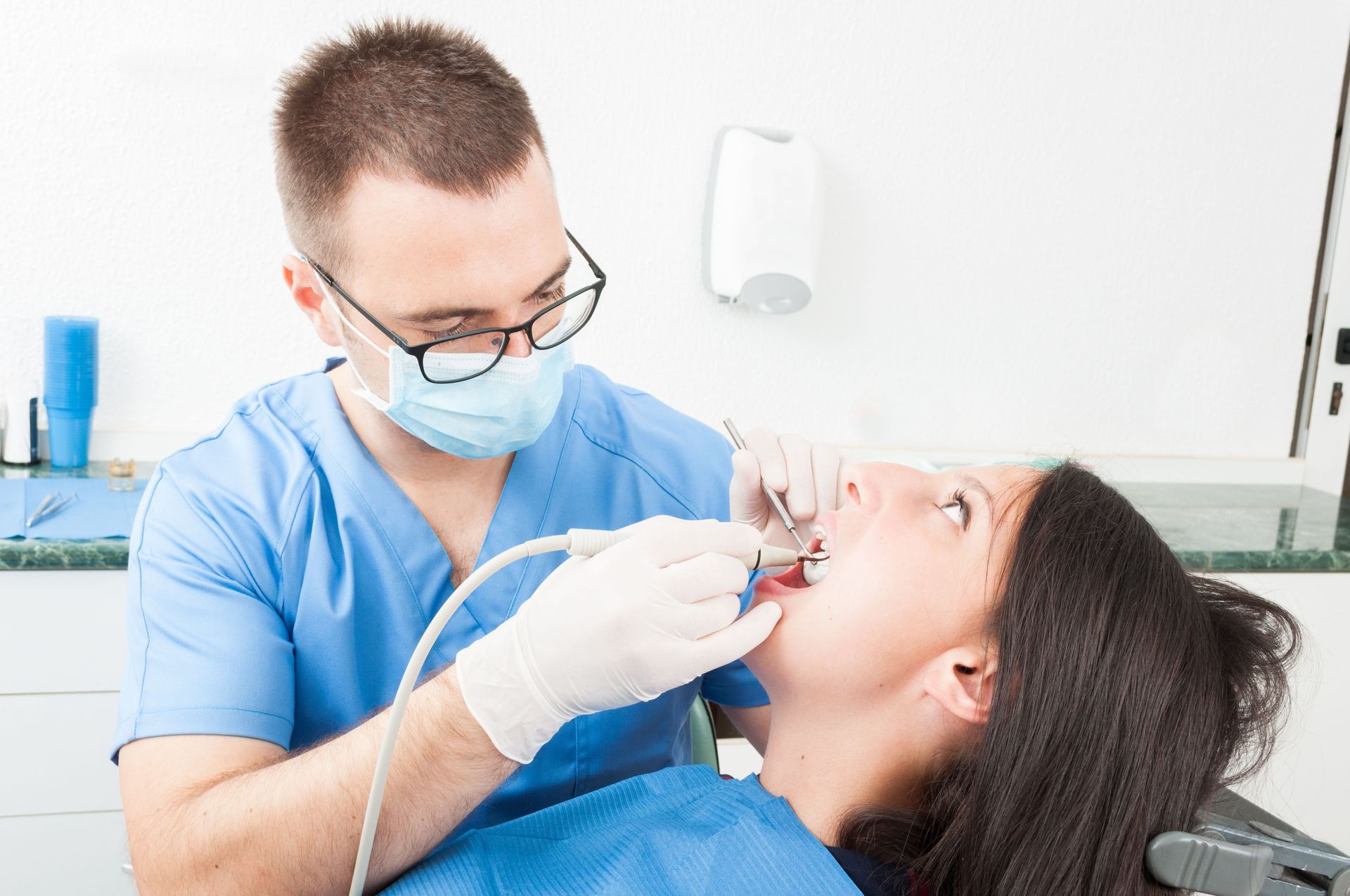
Even with perfect home care, professional intervention is necessary. A family dentist has the specialized tools to remove tartar that has calcified on the teeth. These routine visits allow for early detection of issues that are not yet painful, such as small cavities or the early signs of oral cancer.
Navigating the Professional Cleaning Process
During a standard visit, a hygienist will perform teeth polishing and a thorough examination. If gum disease is detected, more specialized treatments may be required.
- Scaling and Root Planing: A deep cleaning that removes plaque and tartar from beneath the gum line and smooths the tooth roots to help gums reattach.
- Periodontal Maintenance: Frequent cleanings tailored for patients who have already experienced gum disease to prevent a relapse.
- Applying Dental Sealants and Fluoride: Preventive treatments that coat the teeth to shield them from acid and bacteria.
Seeking a Comfortable Dental Environment
A modern family dentist prioritizes patient comfort. If you experience anxiety, communicate your feelings with your dental team. Many offices offer gentle techniques and distraction methods to ensure that your experience is as stress-free as possible. Finding a provider who offers children's dentistry and family dentistry in one location can make managing the oral health of your entire household much simpler.
Taking control of your oral health is a lifelong journey. By combining meticulous home habits with the expert care of a family dentist, you can ensure that your teeth and gums remain healthy for a lifetime. From digital impressions and implants to teeth whitening and cosmetic dentistry, advanced technology is available to restore and enhance your smile.
If you are looking for a comprehensive approach to oral wellness, the team at Mitchem Dental is ready to assist you. We offer specialized services, including gum disease prevention, dentures, crowns, and repairs. Whether you need a simple teeth polishing or a more intensive periodontal treatment, our staff is dedicated to providing a comfortable and professional experience. Contact us today to schedule your routine dental cleanings and partner with a family dentist who prioritizes your long-term health.