June 23, 2026
In the contemporary beauty and wellness landscape, achieving a bright, radiant smile has become a highly sought-after aesthetic goal. A gleaming smile is often perceived as a marker of health, vitality, and personal confidence. However, for a significant portion of the population, the path to a luminous smile is obstructed by the sharp discomfort of chronic tooth sensitivity. Cosmetic teeth whitening is an incredibly popular procedure, but when applied to hyper-reactive dental structures, it can trigger sudden neural pain, throbbing aches, and long-term structural frustration.
This comprehensive guide explores the essential factors you must analyze if you want to safely lighten your smile while actively managing dentin hypersensitivity. Understanding the underlying biological mechanisms of oral health is the first crucial step in identifying the right specialized solutions. By taking a calculated, careful approach, choosing optimized products, and seeking the assistance of trained dental professionals, you can easily balance your aesthetic goals with your physical comfort.
Causes of Tooth Sensitivity
Dentin hypersensitivity occurs when the tooth’s protective outer layers undergo structural degradation, exposing the vulnerable inner architecture. Enamel serves as the hard, highly mineralized first line of defense; when it chips, thins, or erodes due to acid exposure, aggressive brushing habits, or nighttime teeth grinding, it uncovers the underlying dentin.
Similarly, chronic gum recession exposes the tooth's root surfaces, which lack protective enamel entirely. The exposed dentin contains thousands of microscopic fluid-filled tubules that lead directly to the main pulpal nerve chamber. When external stimuli—such as sudden thermal changes from hot or cold beverages, or osmotic pressure from sugary foods—touch these open pathways, they cause a sudden shift in fluid movement, triggering sharp, localized neural pain.
How Sensitivity Affects Teeth Whitening
For individuals with pre-existing dental reactivity, standard teeth whitening procedures can significantly amplify discomfort and lead to frustrating side effects. Conventional bleaching agents utilize highly concentrated hydrogen peroxide or carbamide peroxide formulas to break apart deep-set organic stains. Unfortunately, these powerful peroxide molecules easily pass through the microscopic tubules of the dentin, causing temporary chemical inflammation within the internal pulp nerve.
This reaction can manifest as intense, sudden neural pain, often described by patients as "flashes" or "zingers." Evaluating your baseline reactivity before initiating care ensures you can alter your product concentrations and application timelines to protect these sensitive nerve pathways.
The Role of Dentin and Enamel
The internal anatomy of human teeth comprises highly specialized structural layers that dictate how bleaching agents behave. Enamel is an ultra-dense, non-porous crystalline structure that can tolerate guarded chemical exposure.
Directly beneath sits the dentin, a softer, highly porous bone-like tissue that makes up the bulk of the tooth structure. When enamel is structurally sound, it buffers the active peroxide, allowing for safe stain breakdown. However, when the enamel layer is thin or compromised, whitening gels flood the porous dentin instantly, overwhelming the tooth's natural defenses and causing immediate nerve irritation.
Identifying Your Sensitivity Level
Pinpointing your exact degree of dental reactivity is essential for picking a compatible teeth whitening strategy. Simple everyday indicators, such as noting your reaction to ice water, hot coffee, or acidic citrus fruits, provide an excellent baseline assessment.
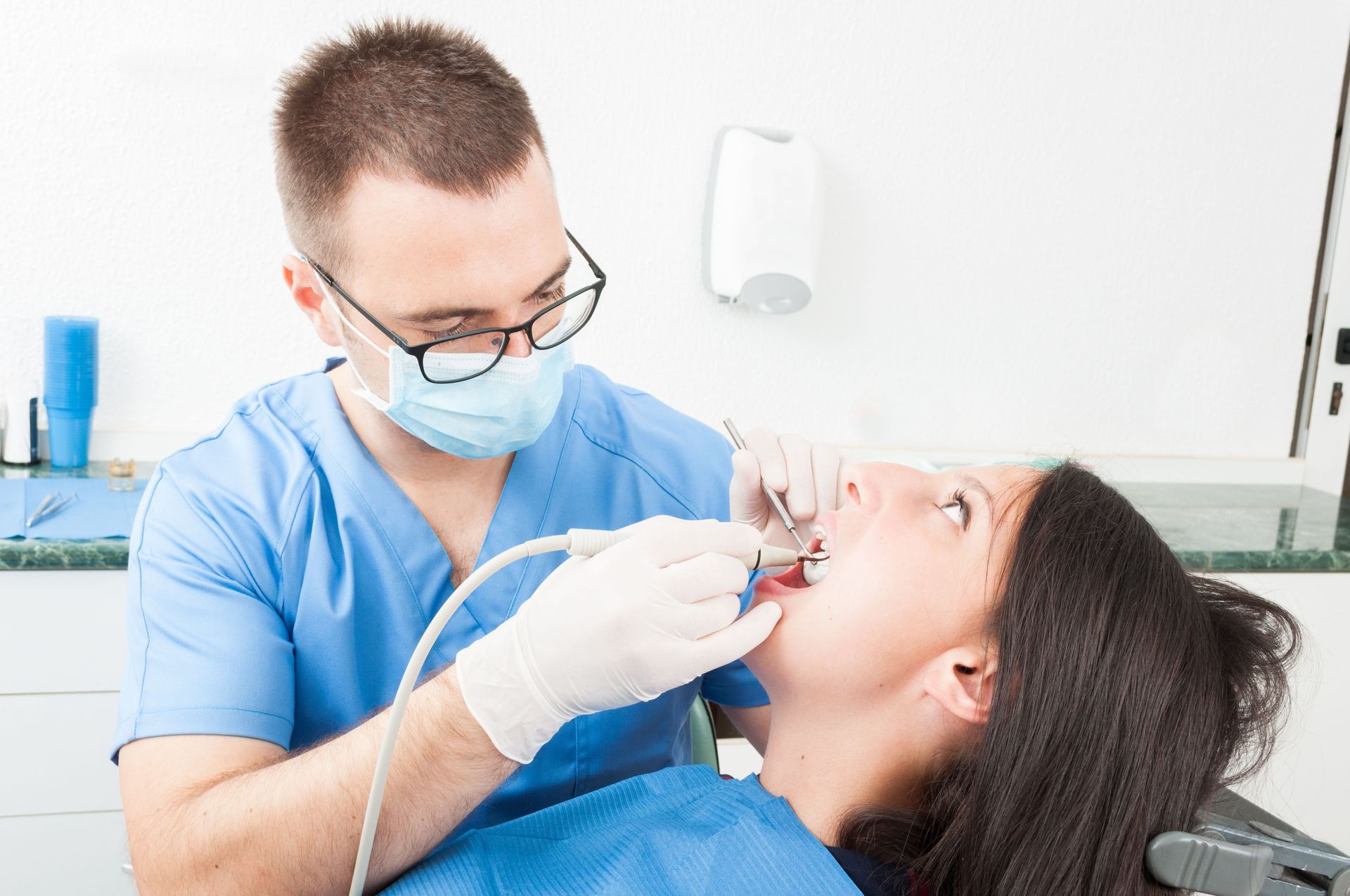
For a truly definitive diagnosis, a dental professional can perform a localized tactile or air-blast test to map out areas of enamel thinning and root exposure.
According to the American Dental Association Health Policy Institute, 68.5% of U.S. adults had a dental visit in the past year. This widespread utilization highlights how accessible it is to secure a professional dental assessment before bleaching.
Consulting with a Dental Professional
Securing a comprehensive professional evaluation is a vital safety measure for individuals dealing with hypersensitivity. A dentist can look for hidden structural issues, such as active decay, leaking fillings, or microscopic cracks, which must be fully repaired before any whitening agents touch your teeth.
Furthermore, a professional can provide highly customized advice regarding exact peroxide concentrations, specialized desensitizing pretreatments, and advanced delivery systems. Prioritizing a clinician's expert recommendation safeguards your long-term oral health and ensures a pain-free aesthetic transformation.
Ingredients to Look for and Avoid
When selecting products for sensitive dental profiles, meticulously reading the chemical formulation is paramount. You should seek out low-intensity formulas that utilize mild peroxide percentages, as they break down stains more gradually without flooding the pulp chamber.
Crucially, search for specialized formulas infused with desensitizing agents like potassium nitrate or sodium fluoride. Potassium nitrate works by penetrating the dentin tubules to physically calm the transmission of nerve signals, while fluoride reinforces the enamel matrix. Conversely, strictly avoid high-peroxide gels or abrasive charcoal-based teeth whitening paste, as these harsh formulations can erode your remaining enamel.
Professional vs. Over-the-Counter Options
Property owners of sensitive teeth must carefully weigh the attributes of in-office clinical treatments against retail over-the-counter packages. Retail strips and stock mouth trays are highly accessible and budget-friendly, but their generic, one-size-fits-all designs often allow harsh bleaching chemicals to leak directly onto vulnerable gum tissues, causing chemical burns and localized sensitivity.
Conversely, professional in-office treatments use custom-tailored barriers to completely protect your gums, allowing for targeted application under strict clinical supervision.
Custom Whitening Trays
Custom-molded whitening trays represent the absolute gold standard for safely lightening sensitive teeth at home. These delivery systems are custom-crafted from precise, digital impressions of your mouth to hug your teeth perfectly.
This exact physical fit ensures the bleaching gel is held uniformly across the enamel surfaces while preventing the material from escaping onto the highly sensitive gingival margins. Custom trays give you complete control over your whitening routine, allowing you to use small, comfortable amounts of desensitizing gel to achieve your aesthetic goals safely.
Desensitizing Protocols
Implementing a strategic pre-treatment desensitization protocol can drastically reduce your discomfort during subsequent teeth whitening sessions. Dental professionals recommend replacing your standard toothpaste with a high-potency potassium nitrate formula at least two to three weeks before starting your whitening treatment. This gives the minerals enough time to build up inside the microscopic dentin tubules, creating a reliable physical shield that prevents peroxide from irritating the internal nerves.
Dietary Adjustments
Making smart dietary changes before and during your whitening treatment plays a huge role in keeping your teeth comfortable. Avoid highly acidic items like citrus fruits, carbonated beverages, kombucha, and white wine, as acid temporarily softens your enamel and leaves your dentin tubules exposed.
Instead, focus on an enamel-building diet rich in calcium and phosphorus, like leafy greens, almonds, and dairy. Staying well-hydrated is also essential, as healthy saliva flow naturally bathes your teeth in protective minerals that soothe sensitivity.
Achieving a bright, beautiful smile does not require sacrificing your daily physical comfort or risking structural damage to your teeth. While dentin hypersensitivity presents unique challenges, utilizing low-concentration peroxide gels, protective custom trays, and desensitizing minerals allows you to whiten your teeth safely and comfortably. By remaining patient, setting realistic aesthetic expectations, and following professional guidelines, you can enjoy a radiant transformation while keeping your enamel and internal nerves perfectly protected.
When you are ready to brighten your smile with a customized, pain-free approach tailored specifically to your unique dental profile, look no further than the region's premier cosmetic specialists. Contact Mitchem Dental today to book your comprehensive pre-whitening evaluation, explore our advanced desensitizing treatments, and begin your journey to a brilliant smile with expert care you can completely trust.